A Brief History of Environmentalism
Still in use, landfills are places where garbage is disposed and left to decompose
or compost. The very
first recorded landfill was located in Knossos, the Cretan capital, in 3000
BC. Most early waste was made up of ash, wood, bones, bodies, and vegetable waste.
As early as 1388 England banned waste disposal in public waterways and ditches.
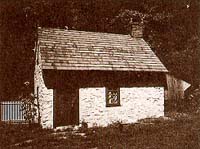
In 1690 the Rittenhouse Mill, in Philadelphia, were the first papermakers in America. They were known to use recycled waste paper and rags.
An English report in 1842 linked disease to filthy environmental conditions spawning the "age of sanitation." That same year, 70,000 had died in a cholera outbreak due to poor sanitation conditions; less than 12 years earlier in 1831, 30,000 had died of cholera; and in 1853, 30,000 more would surcome to the disease.
In Britain the Public Health Act of 1848 began the process of waste regulation. Amended in 1875, the new act charged local authorities with the duty to arrange the removal and disposal of waste. This replaced the previously widespread practice of scavenging - a practice which often resulted in the scattering of refuse. The Act also rules that householders keep their waste in a "movable receptacle," which the local authorities have to empty every week. A charge could be made for every day the bin was not emptied.
In 1885, the first garbage incinerator was built in USA on Governor's Island in NY.
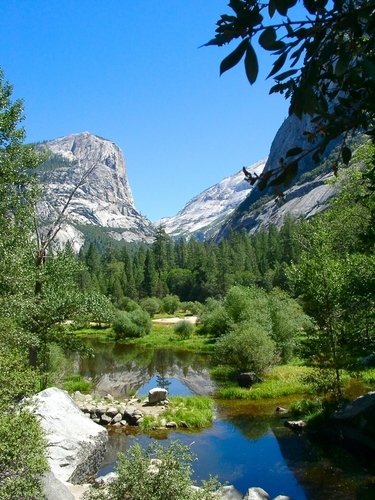
John Muir was the first active environmentalist. In 1892, he founded the Sierra Club. He described himself as a "poetico-trampo-geologist-botanist and ornithologist-naturalist etc. etc. !!!!". The Sierra Club has had an enormous effect on environmental conservation and awareness since 1892.
By the turn of the century garbage disposal had become one of the greatest problems for local authorities.
Theodore Roosevelt extablished the United States National Park Service in 1916 with one simple goal, to "care for special places saved by the American people so that all may experience our heritage." Along with many volunteers the National Park Service helps communities to preserve their heritage for the vital historic value that it comprises of.
In Britain, the Public Health Act of 1936 gave authorities the power to prosecute uncontrolled dumping, prohibited building on contaminated land, and regulated the management of landfills. that followed.
In 1956 the U.S. Congress passes the Clean Air Act. The number of open fires in homes decreased as direplaces were replaced by central heating fueled by oil, gas, or electricity. The household waste changed from being cinder from fires to being made up wastes which would previously have been burned.
"A Silent Spring" was published in 1962 by Rachel Carson. Her work challenged the chemical industry and heightened public awarness of the environmental impacts of DDT and other pesticides.
In 1968 waste management companies began buying back and recycling containers. Nearly 75 years earlier, in 1896, New York was credited with having the first garbage sorting plant for recycling. While in 1954, Olympia, Washington, began reimbursing people for returning aluminum cans. In the 1970's, Whole Systems Recycling initiated the first curbside pickup of reccyclable in the U.S.1973,
In the 1970's the Environmental Protection Agency was created by the U.S. government. The EPA was tasked with setting early human health exposure levels. The Supreme Court affirms EPA's role in environmental protection enforcement. The first Earth Day is celebrated.
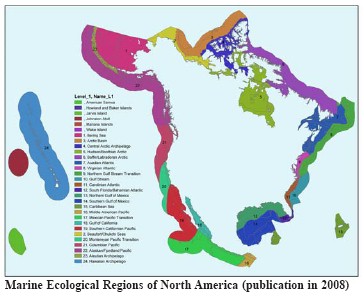
In 1972, the Environmental Protection Agency introduced the Clean Water Act to try and reduce water pollution. The Marine Protections, Research and Santuaries Act was also signed into law establishing marine protection areas. There are over 200 of these areas dedicated to an ecological approach to conserving our nation's marine resources. Some of the regions directed related to the North Pacific gyre are: Hawaiian Archipelago, California coastline, as well as Baja California.
In 1976 Resource Conservation and Recovery Act (RCRA) was created to emphasize recycling and home waste management. This was the result of two major events: the oil embargo and the discovery (or recognition) of Love Canal.
In the 1980's, the Superfund Law was passed in an effort to clean up old abandonded waste sites. The EPA and various communities start emergency response planning the precautions to take in the event of an environmental accident.
The Clean Air Act amendments, passed in the 1990's, set the stage for further protections, such as dust and soot. Pollution prevention reduces pollution before it begins. The EPA partners with companies to explore and test innovative, voluntary approaches to environmental protection. In January, 2009, Wired Magazine announced a study of three decades of health data from 51 U.S. cities that clean air improvements have added an average of five months to an inhabitant's life expectancy.
In 1988, the Ocean Dumping Ban passed. The Plastic Bottle Institute of the Society of the Plastic Industry developed code system for material identification based on resins for plastic bottle manufacturers (#1-7).
Rainforests are disappearing at a frightening rate. In 1991, the Tropical Rainforest Coalition was formed with a goal to preserve the natural rainforests and their habitats and indigenous people in order to better the future health of the planet.
At the end of the 20th century and into the 21st, Greenpeace and other non-profit, philanthropic, organizations as well as numerous educational institutions have taken on the task of monitoring and protecting our environment. Many research groups are actively working on gathering data about ocean pollution so that the world can understand its extent.

As early as 1388 England banned waste disposal in public waterways and ditches.
In 1690 the Rittenhouse Mill, in Philadelphia, were the first papermakers in America. They were known to use recycled waste paper and rags.
An English report in 1842 linked disease to filthy environmental conditions spawning the "age of sanitation." That same year, 70,000 had died in a cholera outbreak due to poor sanitation conditions; less than 12 years earlier in 1831, 30,000 had died of cholera; and in 1853, 30,000 more would surcome to the disease.

In Britain the Public Health Act of 1848 began the process of waste regulation. Amended in 1875, the new act charged local authorities with the duty to arrange the removal and disposal of waste. This replaced the previously widespread practice of scavenging - a practice which often resulted in the scattering of refuse. The Act also rules that householders keep their waste in a "movable receptacle," which the local authorities have to empty every week. A charge could be made for every day the bin was not emptied.
In 1885, the first garbage incinerator was built in USA on Governor's Island in NY.
John Muir was the first active environmentalist. In 1892, he founded the Sierra Club. He described himself as a "poetico-trampo-geologist-botanist and ornithologist-naturalist etc. etc. !!!!". The Sierra Club has had an enormous effect on environmental conservation and awareness since 1892.

By the turn of the century garbage disposal had become one of the greatest problems for local authorities.
Theodore Roosevelt extablished the United States National Park Service in 1916 with one simple goal, to "care for special places saved by the American people so that all may experience our heritage." Along with many volunteers the National Park Service helps communities to preserve their heritage for the vital historic value that it comprises of.
 |
 |
|
|
Image courtesy of
The Green Daily: Slide 3 of 15 |
Image courtesy of
planetware.com |
In Britain, the Public Health Act of 1936 gave authorities the power to prosecute uncontrolled dumping, prohibited building on contaminated land, and regulated the management of landfills. that followed.
In 1956 the U.S. Congress passes the Clean Air Act. The number of open fires in homes decreased as direplaces were replaced by central heating fueled by oil, gas, or electricity. The household waste changed from being cinder from fires to being made up wastes which would previously have been burned.
"A Silent Spring" was published in 1962 by Rachel Carson. Her work challenged the chemical industry and heightened public awarness of the environmental impacts of DDT and other pesticides.

In 1968 waste management companies began buying back and recycling containers. Nearly 75 years earlier, in 1896, New York was credited with having the first garbage sorting plant for recycling. While in 1954, Olympia, Washington, began reimbursing people for returning aluminum cans. In the 1970's, Whole Systems Recycling initiated the first curbside pickup of reccyclable in the U.S.1973,
In the 1970's the Environmental Protection Agency was created by the U.S. government. The EPA was tasked with setting early human health exposure levels. The Supreme Court affirms EPA's role in environmental protection enforcement. The first Earth Day is celebrated.
In 1972, the Environmental Protection Agency introduced the Clean Water Act to try and reduce water pollution. The Marine Protections, Research and Santuaries Act was also signed into law establishing marine protection areas. There are over 200 of these areas dedicated to an ecological approach to conserving our nation's marine resources. Some of the regions directed related to the North Pacific gyre are: Hawaiian Archipelago, California coastline, as well as Baja California.
In 1976 Resource Conservation and Recovery Act (RCRA) was created to emphasize recycling and home waste management. This was the result of two major events: the oil embargo and the discovery (or recognition) of Love Canal.
In the 1980's, the Superfund Law was passed in an effort to clean up old abandonded waste sites. The EPA and various communities start emergency response planning the precautions to take in the event of an environmental accident.
The Clean Air Act amendments, passed in the 1990's, set the stage for further protections, such as dust and soot. Pollution prevention reduces pollution before it begins. The EPA partners with companies to explore and test innovative, voluntary approaches to environmental protection. In January, 2009, Wired Magazine announced a study of three decades of health data from 51 U.S. cities that clean air improvements have added an average of five months to an inhabitant's life expectancy.

In 1988, the Ocean Dumping Ban passed. The Plastic Bottle Institute of the Society of the Plastic Industry developed code system for material identification based on resins for plastic bottle manufacturers (#1-7).
Rainforests are disappearing at a frightening rate. In 1991, the Tropical Rainforest Coalition was formed with a goal to preserve the natural rainforests and their habitats and indigenous people in order to better the future health of the planet.


At the end of the 20th century and into the 21st, Greenpeace and other non-profit, philanthropic, organizations as well as numerous educational institutions have taken on the task of monitoring and protecting our environment. Many research groups are actively working on gathering data about ocean pollution so that the world can understand its extent.
About Whole Systems
http://www.whole-systems.org/about_ws.html
Bush Creates World’s Biggest Ocean Preserve
http://www.msnbc.msn.com/id/13300363/
California Coastline
http://www.geog.ucsb.edu/~jeff/projects/mpa/indexmap.gif
Charter Members of the National System of Marine Protected Areas
http://mpa.gov/pdf/helpful-resources/summarytable.pdf
Clean Air Act
http://www.epa.gov/air/caa/
Cleaner Air Worth Five Months of Life
http://www.wired.com/wiredscience/2009/01/cleanair/
Clean Water Act
http://cfpub.epa.gov/npdes/cwa.cfm?program_id=45
Digest of Federal Resource Laws of Interest to the U.S. Fish and Wildlife Service
http://www.fws.gov/laws/lawsdigest/marprot.html
Enviornmental Awareness 1970
http://www.epa.gov/nbh/html/awareness.html
Enviornmental Chemistry: The History of Waste
http://environmentalchemistry.com/yogi/environmental/wastehistory.html
Enviornmental Protection Agency History
http://www.epa.gov/history/timeline/index.htm
Greenpeace
http://www.greenpeace.org/international/campaigns/oceans
History of waste and recycling
http://www.wasteonline.org.uk/resources/InformationSheets/HistoryofWaste.htm
John Muir
http://www.sierraclub.org/JOHN_MUIR_EXHIBIT/
Marine Protected Areas
http://www.mpa.gov
Marine Protection, Research, and Sanctuaries Act
http://www.fws.gov/laws/lawsdigest/marprot.html
Municipal Aaste Combustion
http://www.window.state.tx.us/specialrpt/energy/renewable/municipal.php
National Park Service
http://www.nps.gov/index.htm
Numbers on Plastic Bottles Help Consumers Identify and Sort Household Trash - That's It
http://www.plasticsindustry.org/AboutSPI/NewsItem.cfm?ItemNumber=995
Ocean Dumping Ban Act of 1988
http://www.epa.gov/history/topics/mprsa/02.htm
Public Health during the Industrial Revolution
http://www.schoolshistory.org.uk/gcse/medicine/publichealth/publichealth_industrialrevolution.htm
Sierra Club
http://www.sierraclub.org/
Summary of the Resource Conservation and Recovery Act
http://www.epa.gov/lawsregs/laws/rcra.html
The Public Health Act 1848
http://historyhome.co.uk/peel/p-health/phact.htm
There are 6 versions of Bill Number S.1630 for the 101st Congress
http://thomas.loc.gov/cgi-bin/query/z?c101:S.1630:
The Rittenhouse Mill and the Beginnings of Papermaking in America
http://www.dianepublishing.net/The_Rittenhouse_Mill_p/0914076841.htm
The Story of Silent Spring
http://www.nrdc.org/health/pesticides/hcarson.asp
Tropical Rainforest Coalition
http://www.rainforest.org/about
Waste Age
http://wasteage.com/Collections_And_Transfer/sanitation-recycling-through-history-200905/
Zero Waste America
http://www.zerowasteamerica.org/ZWA.htm
http://www.whole-systems.org/about_ws.html
Bush Creates World’s Biggest Ocean Preserve
http://www.msnbc.msn.com/id/13300363/
California Coastline
http://www.geog.ucsb.edu/~jeff/projects/mpa/indexmap.gif
Charter Members of the National System of Marine Protected Areas
http://mpa.gov/pdf/helpful-resources/summarytable.pdf
Clean Air Act
http://www.epa.gov/air/caa/
Cleaner Air Worth Five Months of Life
http://www.wired.com/wiredscience/2009/01/cleanair/
Clean Water Act
http://cfpub.epa.gov/npdes/cwa.cfm?program_id=45
Digest of Federal Resource Laws of Interest to the U.S. Fish and Wildlife Service
http://www.fws.gov/laws/lawsdigest/marprot.html
Enviornmental Awareness 1970
http://www.epa.gov/nbh/html/awareness.html
Enviornmental Chemistry: The History of Waste
http://environmentalchemistry.com/yogi/environmental/wastehistory.html
Enviornmental Protection Agency History
http://www.epa.gov/history/timeline/index.htm
Greenpeace
http://www.greenpeace.org/international/campaigns/oceans
History of waste and recycling
http://www.wasteonline.org.uk/resources/InformationSheets/HistoryofWaste.htm
John Muir
http://www.sierraclub.org/JOHN_MUIR_EXHIBIT/
Marine Protected Areas
http://www.mpa.gov
Marine Protection, Research, and Sanctuaries Act
http://www.fws.gov/laws/lawsdigest/marprot.html
Municipal Aaste Combustion
http://www.window.state.tx.us/specialrpt/energy/renewable/municipal.php
National Park Service
http://www.nps.gov/index.htm
Numbers on Plastic Bottles Help Consumers Identify and Sort Household Trash - That's It
http://www.plasticsindustry.org/AboutSPI/NewsItem.cfm?ItemNumber=995
Ocean Dumping Ban Act of 1988
http://www.epa.gov/history/topics/mprsa/02.htm
Public Health during the Industrial Revolution
http://www.schoolshistory.org.uk/gcse/medicine/publichealth/publichealth_industrialrevolution.htm
Sierra Club
http://www.sierraclub.org/
Summary of the Resource Conservation and Recovery Act
http://www.epa.gov/lawsregs/laws/rcra.html
The Public Health Act 1848
http://historyhome.co.uk/peel/p-health/phact.htm
There are 6 versions of Bill Number S.1630 for the 101st Congress
http://thomas.loc.gov/cgi-bin/query/z?c101:S.1630:
The Rittenhouse Mill and the Beginnings of Papermaking in America
http://www.dianepublishing.net/The_Rittenhouse_Mill_p/0914076841.htm
The Story of Silent Spring
http://www.nrdc.org/health/pesticides/hcarson.asp
Tropical Rainforest Coalition
http://www.rainforest.org/about
Waste Age
http://wasteage.com/Collections_And_Transfer/sanitation-recycling-through-history-200905/
Zero Waste America
http://www.zerowasteamerica.org/ZWA.htm